



Content Head and Video Creator, FirstLease
Smart Office Design for Focus and Collaboration in 2026
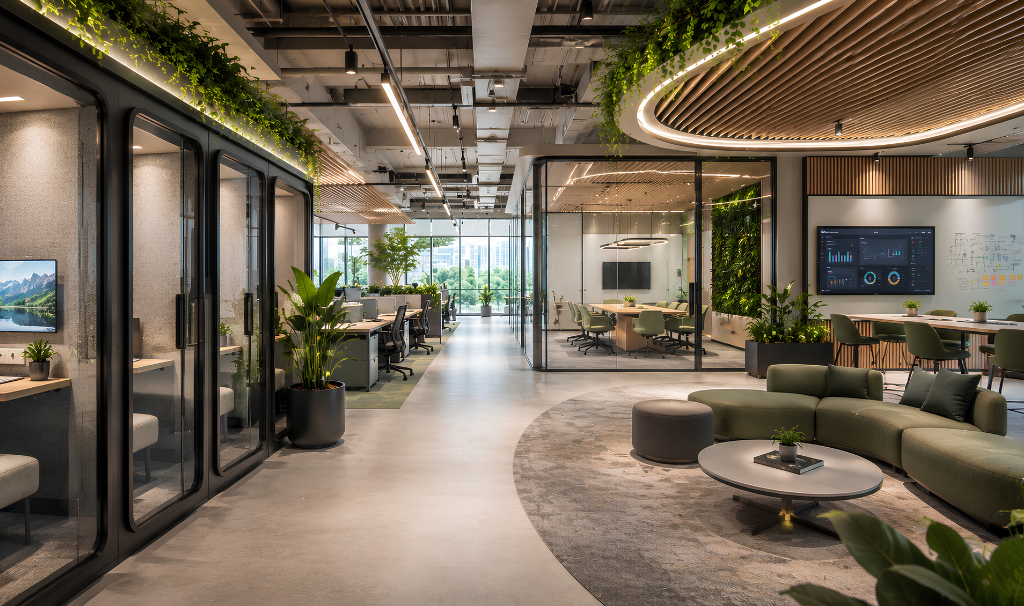
The way businesses think about workplaces has changed dramatically. Companies are no longer just filling floors with desks and calling it done. They are being far more deliberate - designing environments that help people concentrate, connect with their teams, and actually look forward to coming in.
With hybrid work now a permanent reality, the pressure to get office space planning rights has never been greater. When employees do make the trip in, the space needs to justify it. That starts with smart office design - a balanced approach that serves every type of work, not just one.
Why Smart Office Design Matters More Than Ever?
For years, Office design shifted between two approaches. Cubicles offered privacy but killed collaboration. Open-plan layouts encouraged conversation but destroyed concentration. Neither fully worked because both ignored a simple truth - people need different environments at different times.
Today's workplace design recognizes that the same employee who needs silence to finish a financial report in the morning may need a lively group discussion to crack a product problem by afternoon. A smart office layout design supports both without getting in the way of the other.
Beyond day-to-day comfort, a well-executed workplace strategy directly impacts productivity, employee retention, and how effectively teams perform together.
The Growing Importance of Quiet Spaces in Office Design: -
A significant portion of valuable office work demands real concentration - the kind that collapses the moment someone nearby takes a loud call. Tasks like strategic planning, financial analysis, content writing, software development, and research all need uninterrupted mental focus.
When employees can't find quiet spaces in office environments, they don't just get distracted - they get frustrated. Over time, that frustration quietly erodes engagement and output.
Benefits of dedicated quiet zones:
1. Sharper concentration and fewer interruptions
2. Higher quality work on complex tasks
3. Reduced stress and mental fatigue
4. Greater sense of control over the workday
5. Improved overall job satisfaction
Key design features that make them work:
1. Acoustic panels and proper soundproofing
2. Private or semi-private workstations
3. Focus rooms and compact phone booths
4. Ergonomic furniture and adjustable lighting
These aren't luxury extras. They are functional design decisions that directly affect how well people do their jobs.
Why are Collaboration Zones Essential?
Isolation carries its own costs. Teams that rarely interact organically lose something harder to measure but equally important - the spontaneous exchanges that solve problems, build trust, and push ideas further than any one person could alone.
Collaboration zones are spaces designed to make those interactions easier and more natural. Unlike formal boardrooms, these areas invite people without requiring a calendar invite and an agenda.
Common collaboration spaces include:
1. Informal meeting areas with flexible seating
2. Open brainstorming zones with writable walls
3. Team huddle rooms for quick syncs
4. Relaxed breakout lounges for casual conversation
5. Technology-enabled rooms for hybrid meetings
What well-designed collaboration zones deliver:
1. Fresh thinking and genuine innovation
2. Stronger communication across teams
3. Faster decision-making through real-time discussion
4. Higher employee engagement and sense of belonging
Finding the Right Balance:
This is where many office interior design projects go wrong - they are over-correct. A company tired of noisy open plans swings hard toward private spaces. One that felt siloed tears everything down and goes fully open. Both end up with the same problem: a layout that serves one mode of work well and the other poorly.
The most effective offices don't force a choice. Employees should be able to move between environments based on what they're working on at any given moment. Too many collaborative areas without quiet zones creates constant noise. Too many private spaces without open areas makes the office feel isolated.
The right office layout design builds in genuine variety - and trusts employees to use it well.
Hybrid Workplace Design and Technology: -
Hybrid work isn't going anywhere, and hybrid workplace design has to reflect that reality. When part of your team is in the office and others are remote, the physical space needs to support both without making anyone feel like an afterthought.
Modern offices are being built around:
1. Video conferencing rooms designed for equal in-room and remote participation
2. Smart booking tools for desks and meeting rooms
3. Flexible seating arrangements that adapt to daily attendance
4. Occupancy sensors that track which spaces are being used
5. Integrated workspace management software for smarter planning
Technology isn't just a feature in modern offices - it's part of the foundation. The right tools help businesses understand how their space is being used and make better long-term decisions.
Employee Well-Being as a Design Priority: -
Any serious conversation about workplace design in 2026 must include well-being. It isn't a soft consideration - it directly affects how people perform, how long they stay, and how they feel about the organization.
Wellness-focused design elements that make a real difference:
1. Generous natural lighting that supports mood and reduces eye strain
2. Indoor plants and biophilic elements that soften sterile environments
3. Ergonomic furniture built for long working days
4. Dedicated wellness rooms for mental recovery during the workday
5. Improved ventilation and air quality throughout
When people feel physically comfortable and mentally supported, their work reflects it.
Conclusion:
Smart office design for focus and collaboration is no longer optional - it's a business necessity. By thoughtfully combining quiet spaces in office layouts, energizing collaboration zones, hybrid-ready technology, and genuine wellness features, companies can build workplaces that don't just house their teams but actively help them perform.
At FirstLease India, we help businesses identify, plan, and design future-ready workspaces aligned with their goals and workforce needs. From office space planning and workplace strategy to complete design and build solutions, we create environments where people and businesses thrive - in 2026 and beyond.
Frequently Asked Questions
1. What is smart office design?
A workplace planning approach that combines flexible layouts, technology, and employee well-being to create efficient, adaptable work environments.
2. Why are quiet spaces important in modern offices?
They give employees the conditions needed for focused, high-quality work - reducing distractions, stress, and mental fatigue.
3. What are collaboration zones?
Purposefully designed areas for teamwork, brainstorming, and open discussion - built to feel accessible rather than formal.
4. How does hybrid workplace design improve productivity?
Ensuring both in-office and remote employees are equally supported through technology, flexible layouts, and spaces designed for mixed-attendance meetings.
5. How can businesses create a balanced office layout?
By understanding how their team works and builds in genuine variety - quiet zones, collaborative areas, flexible meeting spaces, and wellness features that reflect real employee needs.